
tinted glass china
Understanding Magnetic Vee Blocks A Comprehensive Guide In the realm of precision machining and engineering, the need for accurate and reliable workholding solutions is paramount. Among various tools employed to ensure precise setups, the magnetic vee block stands out as a versatile and indispensable piece of equipment. This article delves into the characteristics, applications, and advantages of magnetic vee blocks, shedding light on why they are a favored choice in workshop environments. What is a Magnetic Vee Block? A magnetic vee block is a specialized workholding tool designed to securely hold cylindrical or irregularly shaped workpieces during machining processes. The block typically features two opposing V-shaped grooves, allowing it to cradle round objects efficiently. The magnetic component refers to the built-in magnets that provide a powerful and adjustable clamping force, enabling users to firmly hold workpieces in place. Key Features 1. Magnetic Clamping The primary advantage of a magnetic vee block is its ability to hold materials securely without the need for additional clamps or fixtures. This magnetic force can be activated or deactivated with a simple switch, enhancing efficiency and safety during manufacturing processes. 2. Versatility Magnetic vee blocks can accommodate various shapes and sizes of workpieces, making them suitable for diverse applications such as milling, grinding, inspection, and welding. 3. Durability Typically constructed from robust materials like hardened steel, magnetic vee blocks are designed to endure the rigors of machine shops and offer long-lasting performance. 4. Precision The inherent stability offered by magnetic clamping allows for precise machining operations, reducing the risk of movement that can lead to inaccuracies. Applications of Magnetic Vee Blocks Magnetic vee blocks find their use across various industries due to their adaptability and reliable performance. Some common applications include 1. Machining Operations Engineers and machinists often utilize magnetic vee blocks to hold cylindrical pieces during milling, drilling, or grinding processes, ensuring consistency and accuracy . magnetic vee block 2. Quality Control and Inspection In quality assurance environments, magnetic vee blocks serve as reliable fixtures for holding parts during measurement and inspection procedures, facilitating accurate assessments of dimensions and tolerances. 3. Welding When welding cylindrical components, magnetic vee blocks provide stable support that keeps the workpiece securely in position, preventing movement during the welding process. 4. Fabrication and Assembly In assembly operations, these blocks assist in securely holding parts in alignment while additional components are added or fixed. Advantages of Using Magnetic Vee Blocks The incorporation of magnetic vee blocks in machining and fabrication processes presents numerous advantages 1. Enhanced Efficiency The ability to quickly secure and release workpieces reduces setup time, allowing for a more streamlined workflow. 2. Improved Safety By providing a secure hold, magnetic vee blocks minimize the risk of workpieces shifting unexpectedly, which can lead to accidents and injuries. 3. Cost-Effectiveness The versatility of magnetic vee blocks means that a single block can serve multiple functions across various projects, reducing the need for multiple specialized fixtures. 4. User-Friendly Setting up a magnetic vee block is straightforward, requiring minimal training for new users. This accessibility helps in enhancing productivity and reducing downtime. Conclusion In summary, magnetic vee blocks are essential tools in modern machining and fabrication practices. Their robust design, magnetic clamping capabilities, and versatility make them suitable for a wide range of applications, from precision machining to quality control. With their ability to enhance efficiency, safety, and accuracy, magnetic vee blocks contribute significantly to the successful execution of projects across various industries. Investing in quality magnetic vee blocks can lead to improved operational effectiveness and higher quality outputs, making them a worthwhile addition to any workshop or manufacturing environment.
about
tinted glass china
Understanding the Dial Cylinder Bore Gauge A Precision Tool for Engineers and Mechanics In the world of engineering, precision is key. One vital tool that helps achieve this meticulous standard is the dial cylinder bore gauge. This instrument is designed to measure the internal diameter of a cylinder, ensuring that components fit together accurately in machinery, engines, and various mechanical systems. Understanding the functionality, significance, and proper usage of a dial cylinder bore gauge is essential for engineers and mechanics who aim for excellence in their craft. What is a Dial Cylinder Bore Gauge? A dial cylinder bore gauge is an instrument used to measure the bore diameter of cylindrical objects, such as engine cylinders, hydraulic cylinders, and other tubular components. The gauge comprises a frame, measuring spindles, and a dial indicator. The key component, the dial indicator, displays the measurement, allowing users to assess how closely the bore matches the desired specifications. Importance of Accurate Measurements In mechanical engineering and manufacturing, maintaining strict tolerances is critical. An incorrect bore diameter can lead to poor fits between parts, resulting in increased wear, decreased efficiency, and potential mechanical failure. For instance, in an engine, if the bore is too large, it can lead to excessive movement of the piston, while a bore that is too small can result in failure to accommodate the piston, leading to catastrophic engine failure. As such, utilizing a dial cylinder bore gauge helps ensure that these issues can be prevented. How to Use a Dial Cylinder Bore Gauge Using a dial cylinder bore gauge requires precision and a careful approach. Here are the steps typically involved in taking a measurement 1. Preparation Before taking any measurements, ensure that both the bore gauge and the cylinder are clean and free from debris. Any particles can lead to inaccurate readings. dial cylinder bore gauge 2. Zeroing the Gauge Insert the gauge into the bore and expand the measuring spindles until they make contact with the wall of the cylinder. Adjust the dial indicator to zero. This will allow for easier reading of the bore's diameter. 3. Taking the Measurement Slowly remove the gauge from the bore. Take note of the reading on the dial indicator. It's advisable to perform measurements at various points along the cylinder's length and in different directions (horizontal and vertical) to get an accurate average diameter. 4. Recording Results Document the measurements obtained for reference. This data is essential for determining if the cylinder meets engineering specifications. 5. Analyzing Results After recording the measurements, analyze them against the tolerances and specifications required for your project. If any deviations are found, further assessment and corrective actions may be necessary. Maintenance and Calibration Like any precision instrument, maintaining and calibrating the dial cylinder bore gauge is essential. Regular checks should be performed to ensure its accuracy. Calibration can typically be done using a gauge block or a precisely dimensioned standard. Additionally, storing the gauge properly and keeping it clean will enhance its longevity and performance. Conclusion The dial cylinder bore gauge is an indispensable tool in the field of engineering and mechanics, facilitating accurate measurements that are fundamental for building reliable machinery. By understanding how to use this tool correctly and maintaining it in top condition, engineers can ensure that their work meets the highest standards of quality. In the highly competitive landscape of mechanical engineering, the accuracy and reliability of each component can mean the difference between success and failure, making the dial cylinder bore gauge an essential ally in the quest for precision.
-

High quality industrial productsagement

High quality industrial products
View Details -

Meet the diverse needs of customers

Meet the diverse needs of customers
View Details -

Strict quality control

Strict quality control
View Details -

Top raw materials

Top raw materials
View Details -

Trusted supplier

Trusted supplier
View Details
Our application


news and information
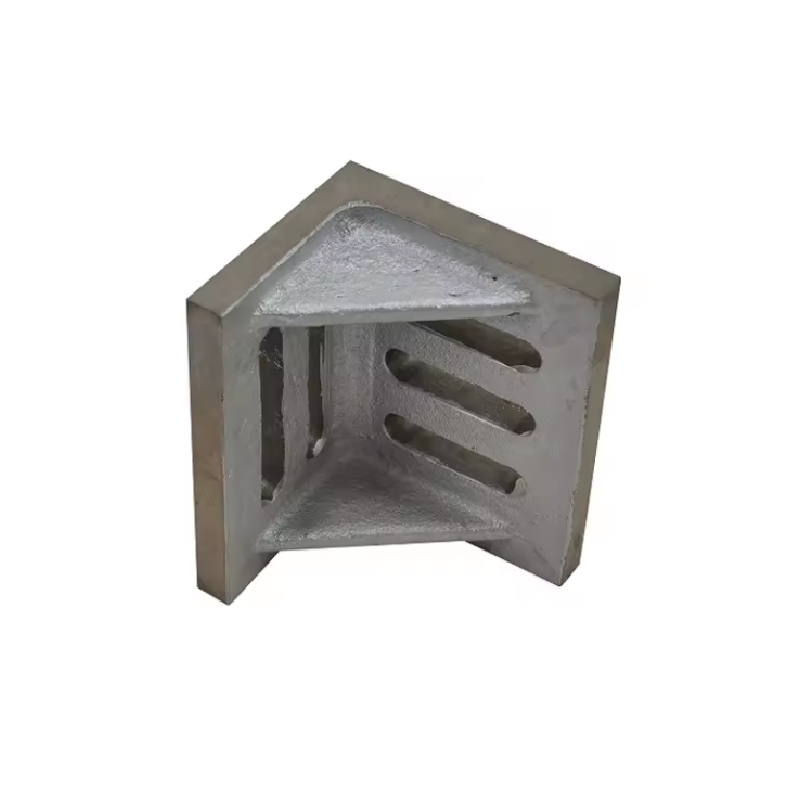
Versatile Granite Angle Plate for Precision Machining and Workholding Solutions
Understanding Granite Angle Plates A Key Tool for Precision Measurement In the realm of manufacturin
Válvula borterilha de 1,5 polegadas para aplicações industriais e de encanamento.
Válvula Borboleta de 1.5 Polegadas Um Componente Essencial na Indústria As válvulas borboleta desemp
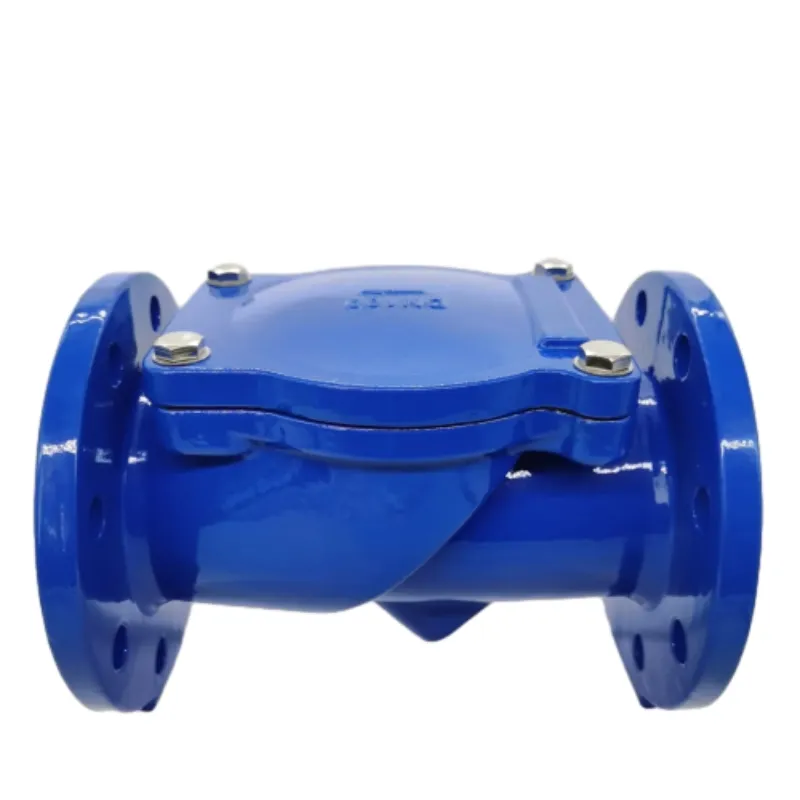
Water Supply Control Mechanism for Efficient Valve Shutdown and Management
Understanding Water Valve Shut Off Systems In our daily lives, water is an essential resource, servi
 English